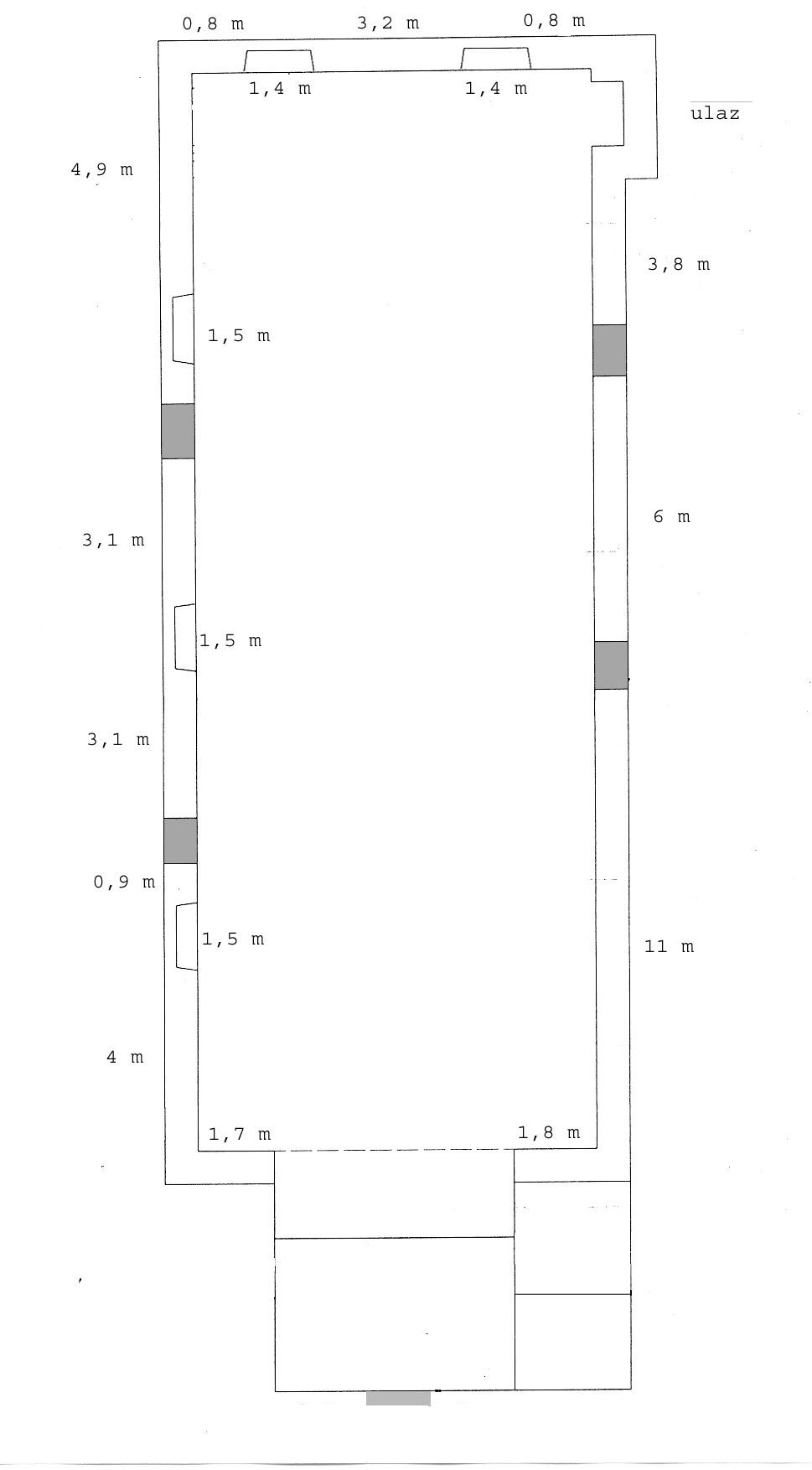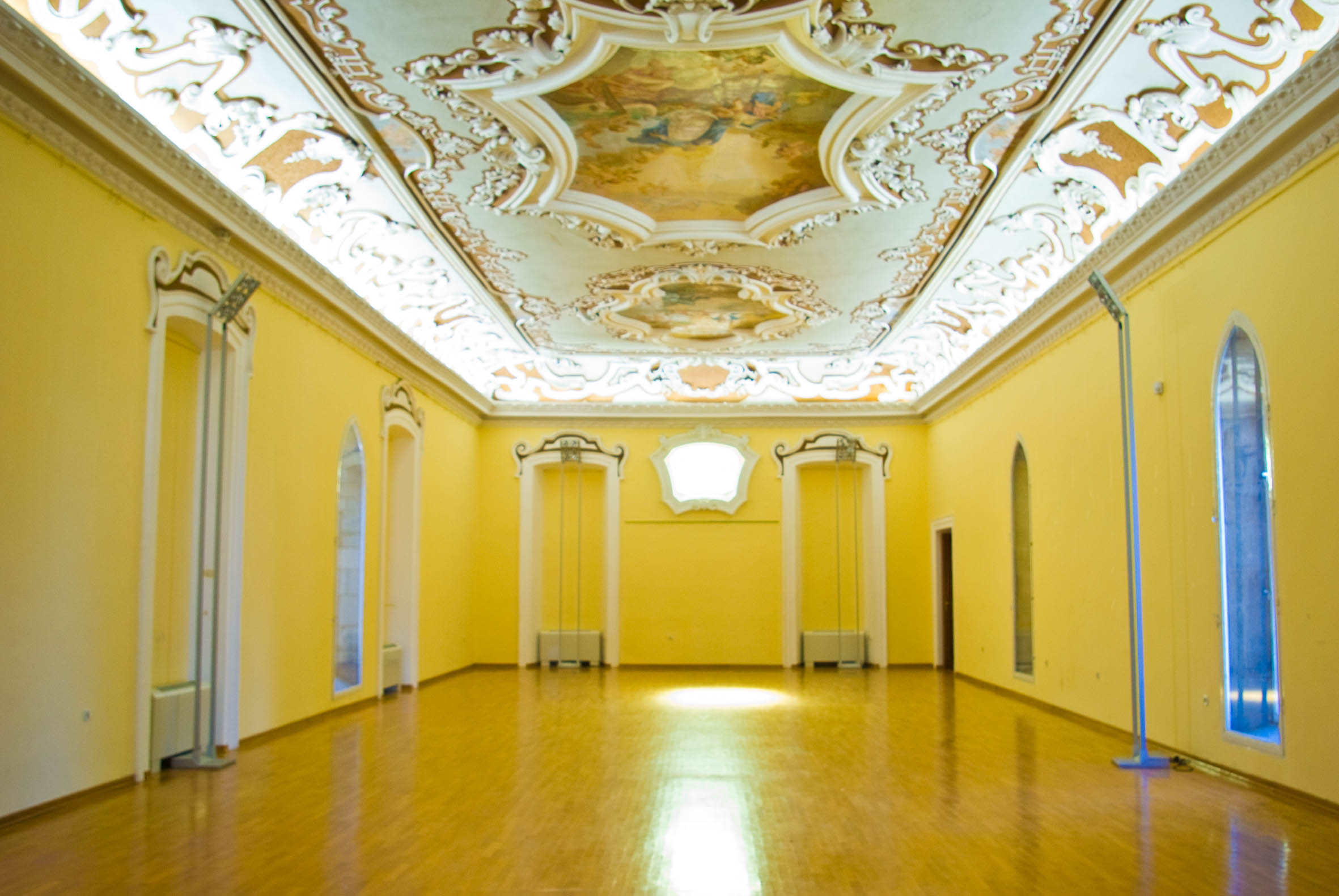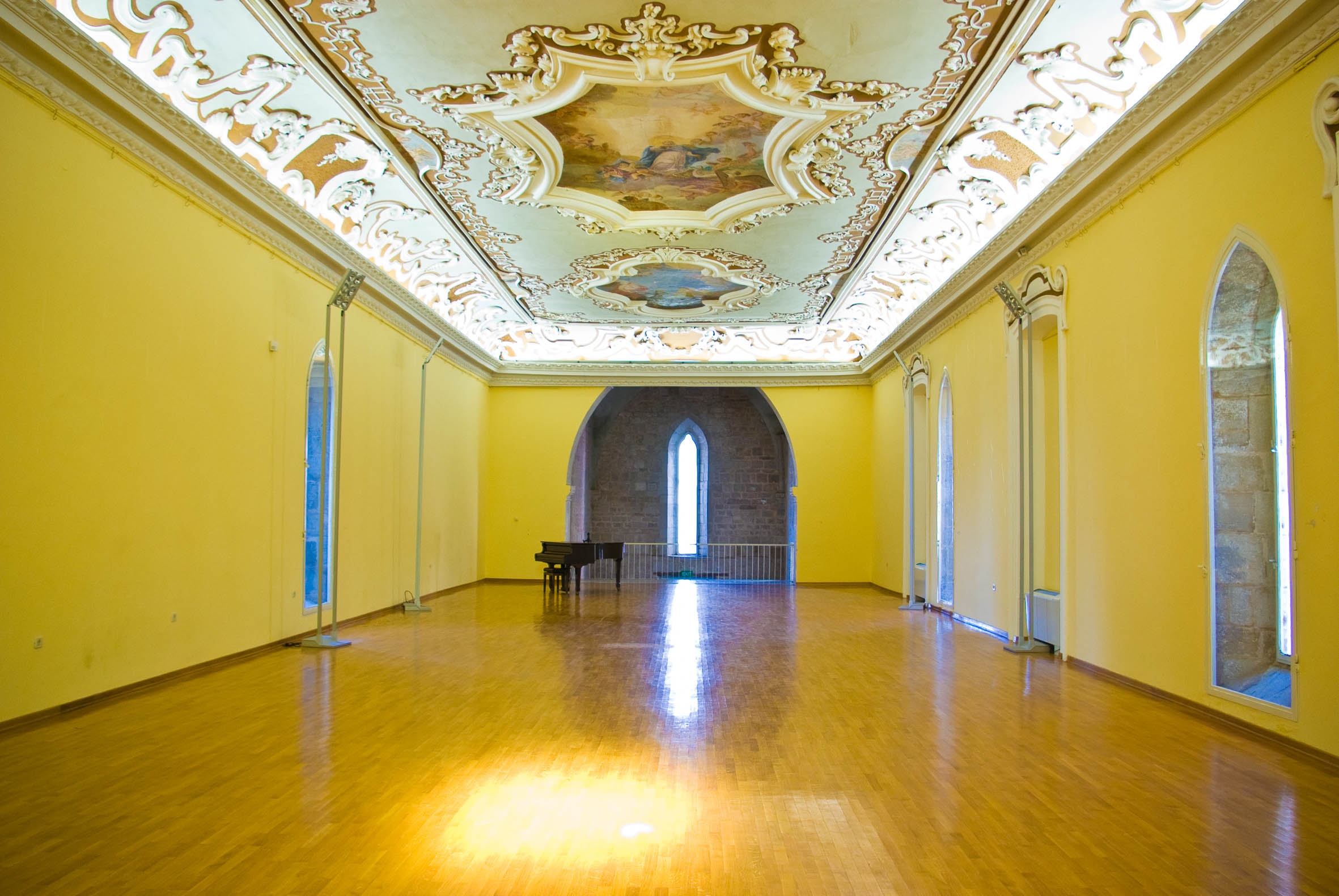
Istrian Assembly Hall
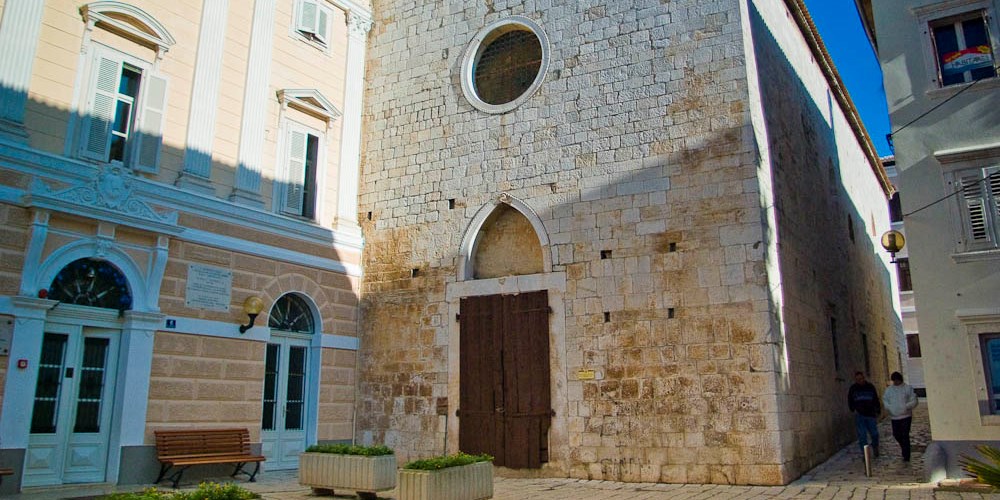
The Istrian Assembly Hall is located in the very heart of the old town (Matko Laginja Street 6). Built on the foundations of the early Christian church of St. Thomas from the 5th century, it was originally an early Gothic sacred building (the Church of St. Francis, 13th century), which also had a monastery with gardens, later demolished to the ground. During the 18th century, the church interior acquired Baroque stylistic features. With Napoleon’s decree abolishing monastic orders, the church was closed in 1806, and the Franciscans left Poreč.
In the mid-19th century, the Polesini family purchased the Franciscan church and horizontally partitioned its nave. The lower part was used as a wine cellar, while the upper hall hosted the sessions of the Istrian Provincial Assembly from 1861 to 1897, from which the building derives its name.
The Assembly Hall is a venue for numerous cultural and artistic projects of musical, theatrical, and visual character. It is an ideal space for promoting the local visual art scene or international collaborations, among which the Poreč Annale, the oldest group exhibition of contemporary art in Croatia, has stood out with its continuous quality since 1961. In addition to Annale, which is open during the summer months, the venue also hosts the Naš kanat je lip Choir Meeting, which since 1973 has preserved and promoted the Istrian musical scale—one of the most valuable and UNESCO-protected Istrian intangible treasures—as well as the popular Profutura, a group exhibition of amateur works from all over Croatia.